Mastering Tricky Passages and answering your questions!
Welcome, everyone.
If you’ve been sitting with questions about your playing, fingering, tricky passages, or musical roadblocks you haven’t quite cracked yet, this is a great moment to bring them out.
Whether it’s something small that’s been nagging you or a bigger challenge you’re ready to work through, every question is worth asking. Join us live today for real-time guidance and problem-solving!
Leave any and all questions below!
29 replies
-
Liszt Etude Transcendental no.2, the sections that begin in bar 13 (super fast runs) and bar 58 (super fast chord leaps). For the leaps I tried the usual method of placing the fingers on the notes before hitting them but it doesn't seem to work at this speed. So I',m using the approach suggested by Taubman, which works better but it's still hard as hell to hit all the notes without "extra" notes 😅. The etude is manageable otherwise, so I won't give up. Looking forward to hearing your advice!
-
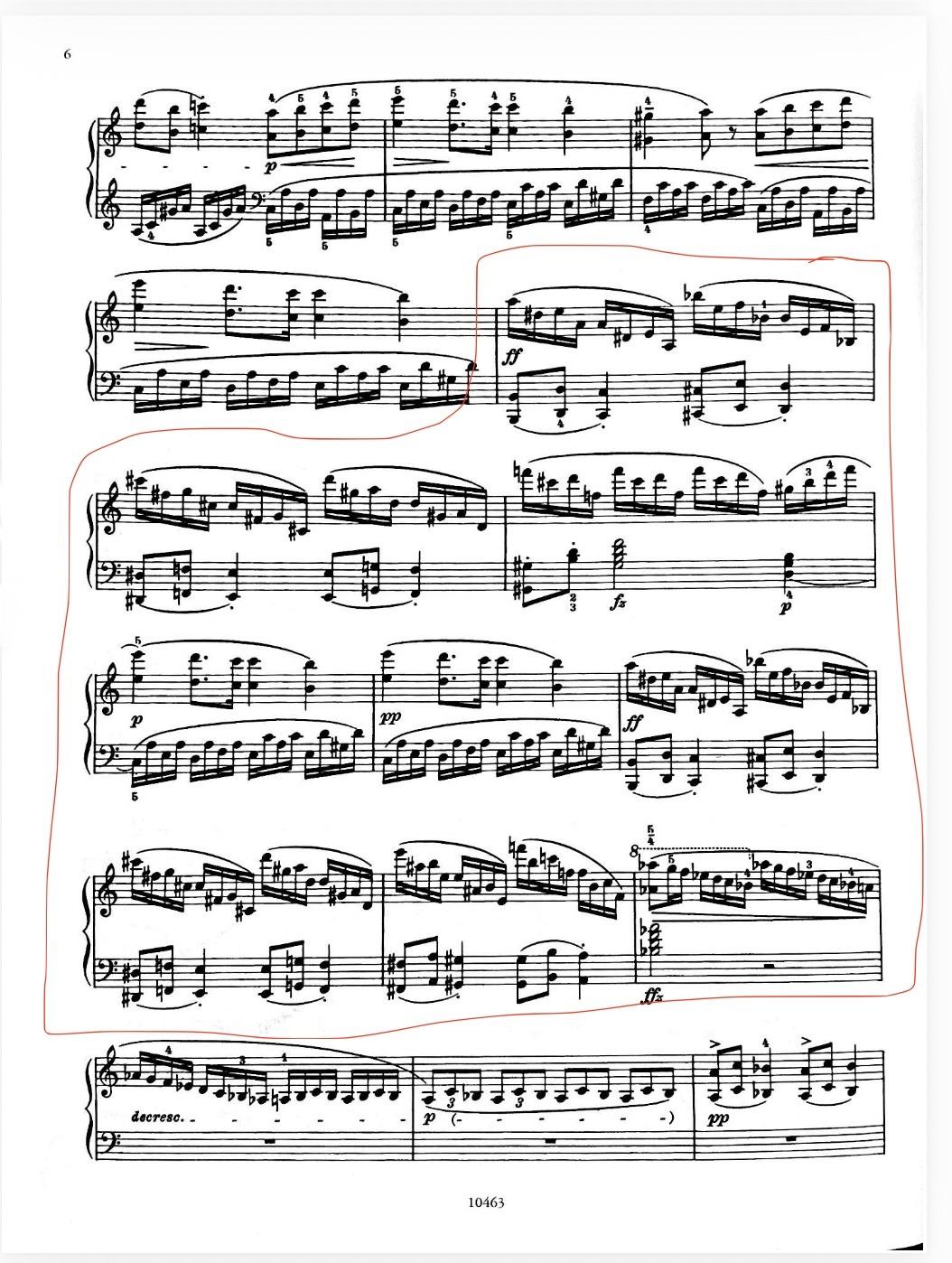
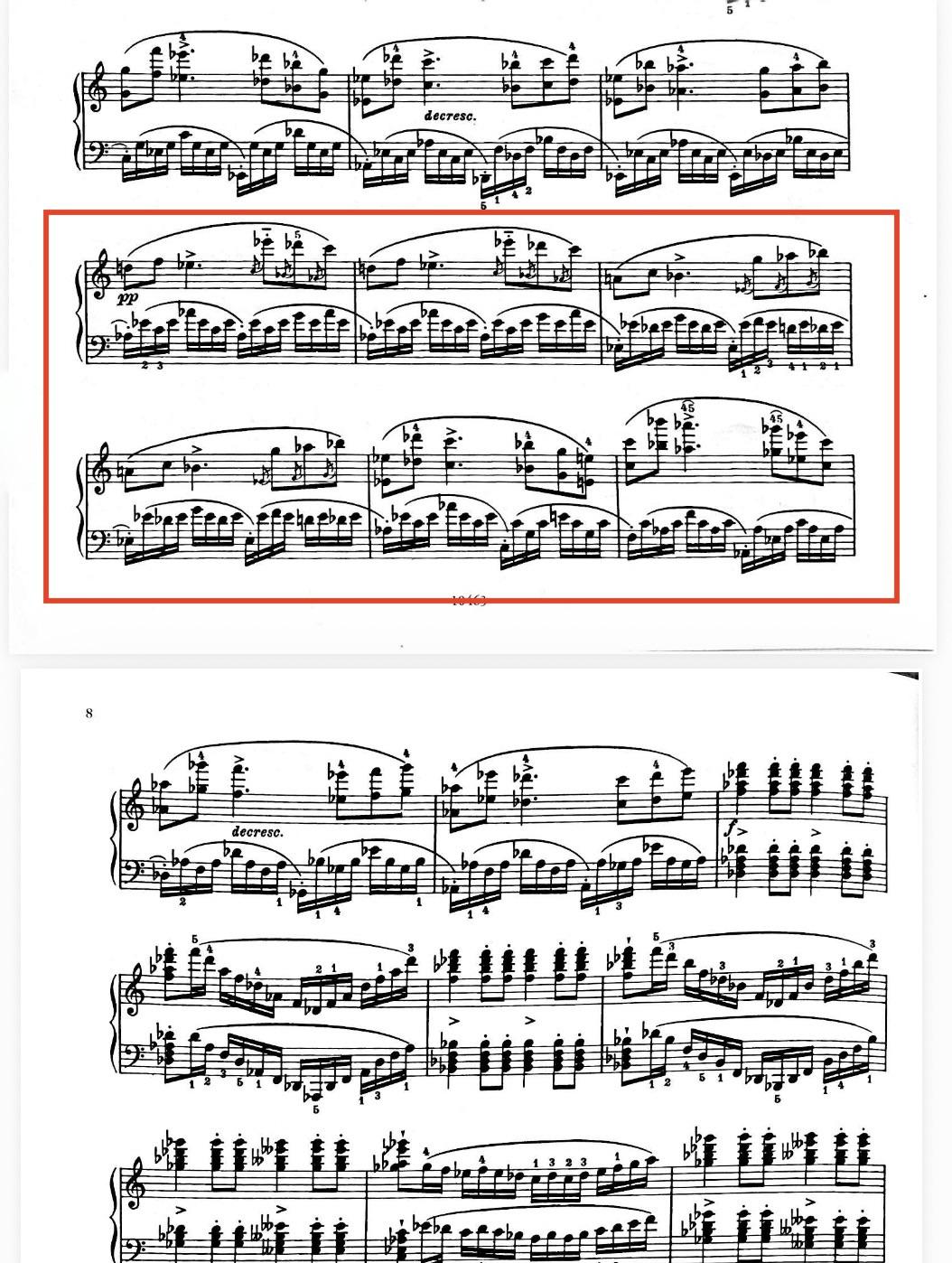
I would appreciate advice on measures 38-45, measures 101-108, and measures 125-128 of Wanderer Fantasy (I attached screenshots of the Wanderer Fantasy.
I would also appreciate advice on measures 17-24 of Rachmaninov's Prelude in G Minor, but that is not as important.
-
Q1) How to play Chopin Ballade in G minor Op.23 No.1 bar 31. and any practice tips for bar 255 – 258 ending?
(overall how do we figure out fingering and grouping such as this one?)
Q2) I wonder if this Chopin Ballade in G minor is too tricky for someone like me (I started learning piano again 5 years ago as an adult, now intermediate around level 5) This live stream makes me wonder if there's any golden rules to figure out if the piece is too tricky for one's level?
E.g. I can play for Nocture in C sharp minor/ Nocture in E flat major/ Moonlight 1-3 mov comfortably. The Chopin Etude Op 10 was not possible for me at the 1st glance but the last live Chopin Etude Op 10 you taught with such clarity 👍 was super helpful, you made it possible for someone not so advanced like myself to learn the song!
Thanks for your help!
-
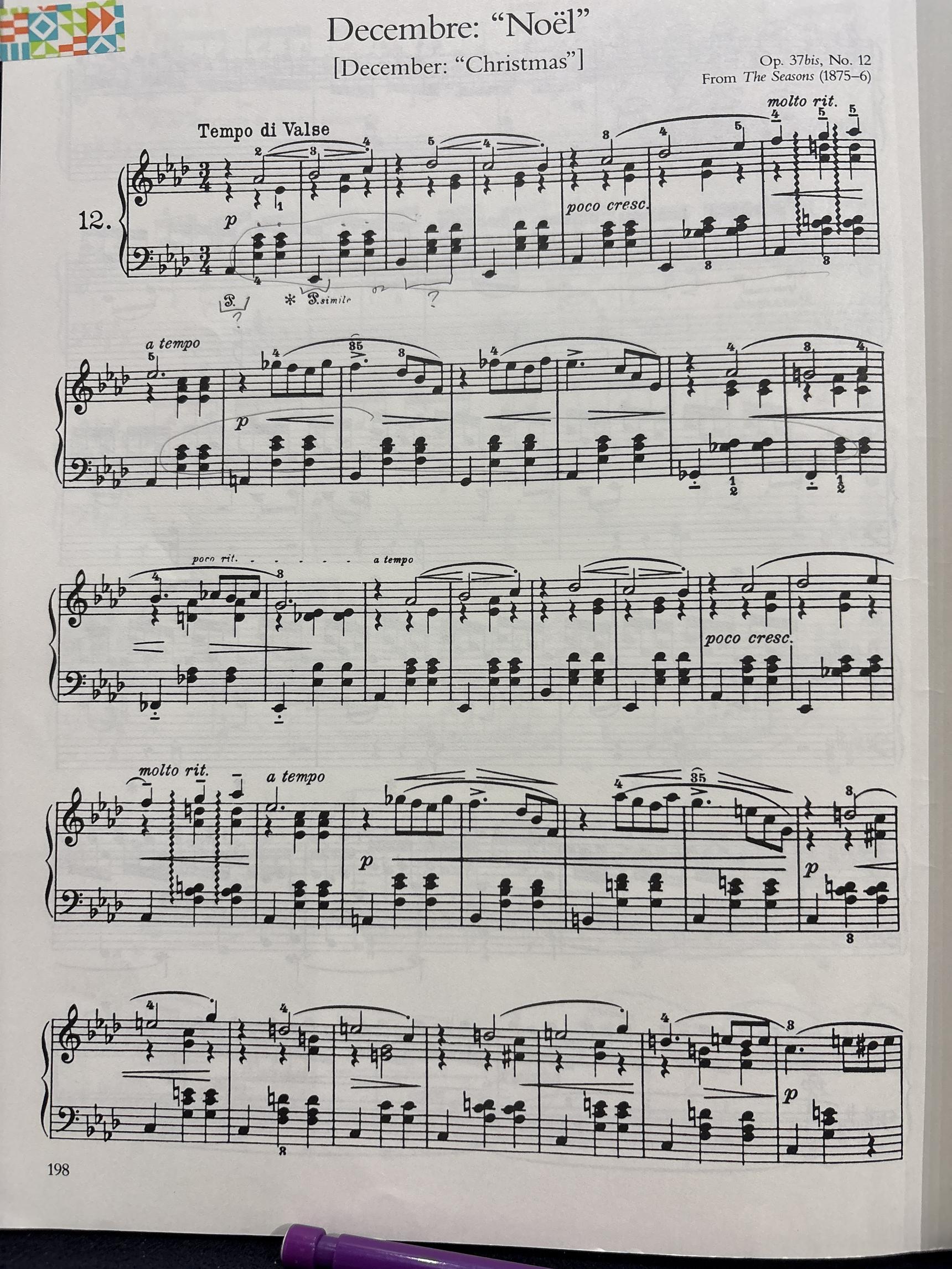
I am studying December “Noel” pp 37 no12 by Tchaikovsky.
I am having difficulty to play LH Chords in staccato in fast tempo. I tried to play rotated wrist for the bass and dribbling motion on the chords but getting tired by 2nd page.
would you help me out?
also I listened several recordings, LH waltz rhythm on 2-3 beats are slightly different ( short energetic tone vs soft tone) What would you recommend? Also how to use pedal on this? My tempo is 176.Thank you Dominic.😊
-
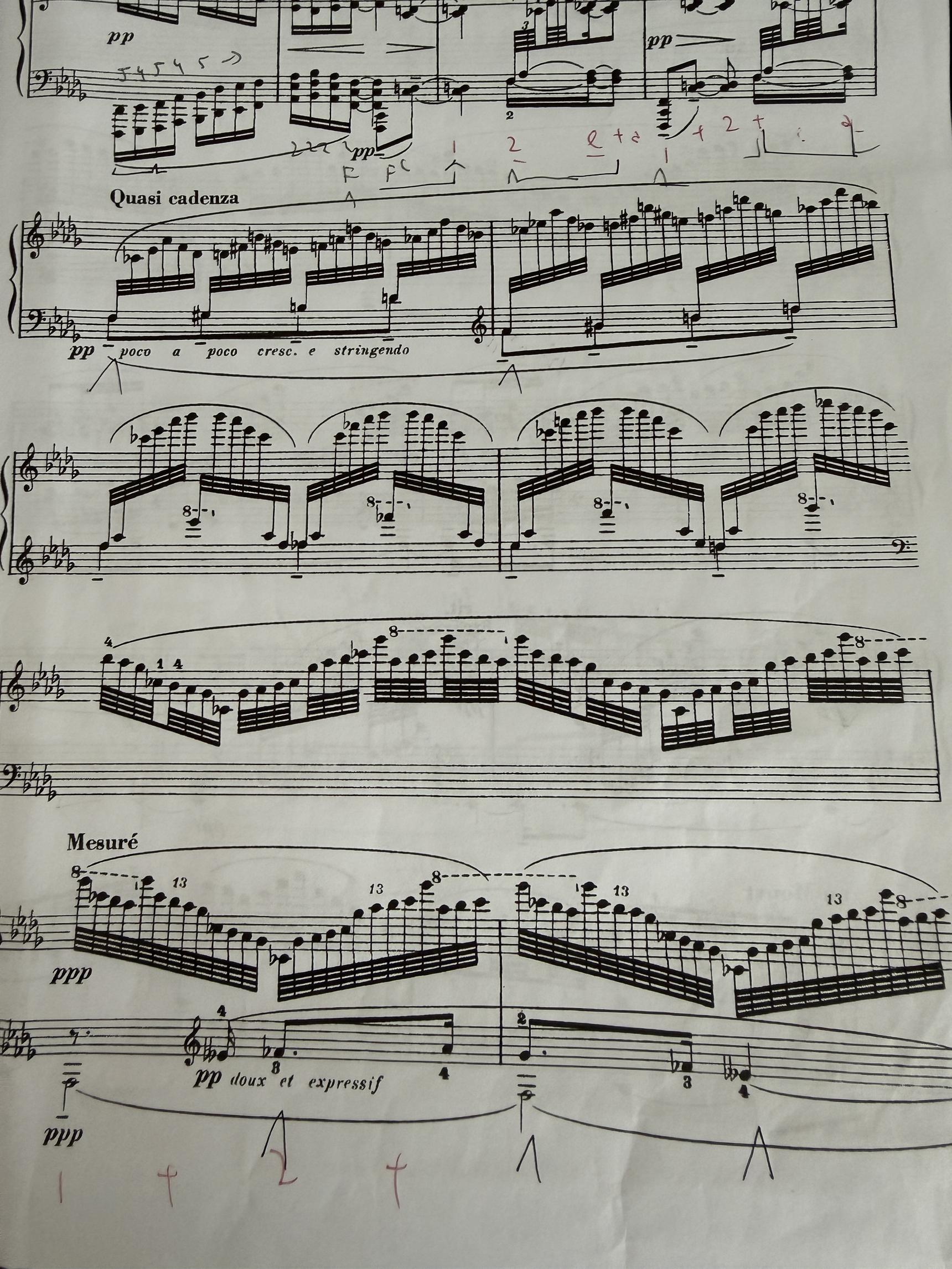
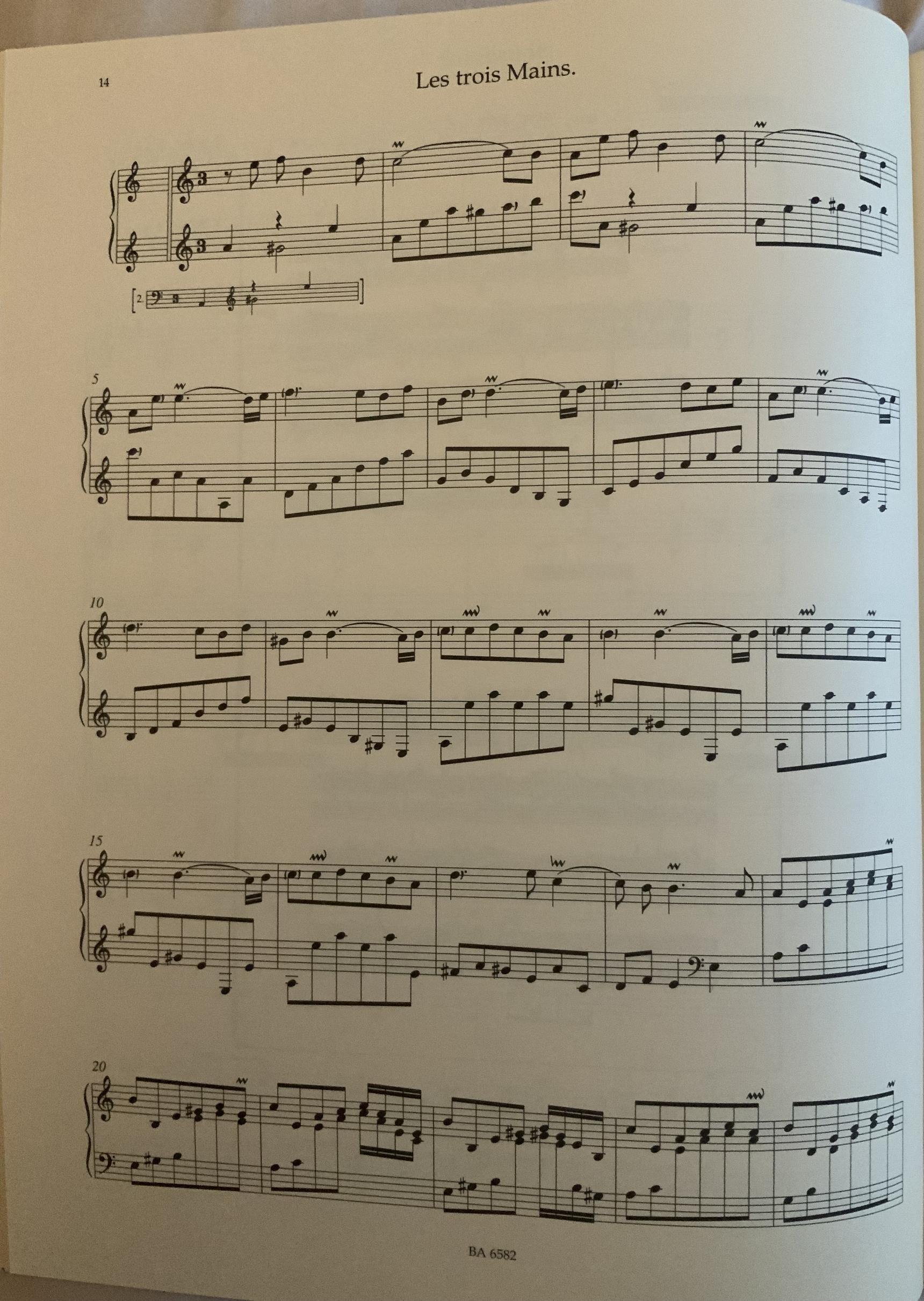
Hi. How can we practice this transition into the mesure section from image 1 debussy page 2.
is there a way to practice correctly? Slow practice seems to fall apart here. It does not feel possible to play with metronome either.
some general advice is appreciated for practicing this mesure section.
-
I have a question more on a tricky situation: how to deal with playing at a different sitting height at the piano.
I went to a meet up recently and played the Rach Elegie, and the highest I could get the piano bench to was still a good 10-15cm lower than my bench at home. My elbows were well below the keyboard level, and I felt very disoriented navigating the keyboard while playing, resulting in many more wrong notes. Also I couldn't move or utilise my weight as I usually do when I play at home.
I don't usually get to play on another pianos and going to meet-ups is an infrequent opportunity, so how should I prepare for that kind of situation? Would it be worth from time to time to try running through the piece at varying bench height or something to simulate unfamiliar settings?
Thanks :)
-
Try placing a large book, like a dictionary or a couple of encyclopedias on the bench to find the perfect height. It worked for me years ago.
-
Hello Dominic,
I have questions on two Schubert works and I will try to be as specific and clear as I can be.
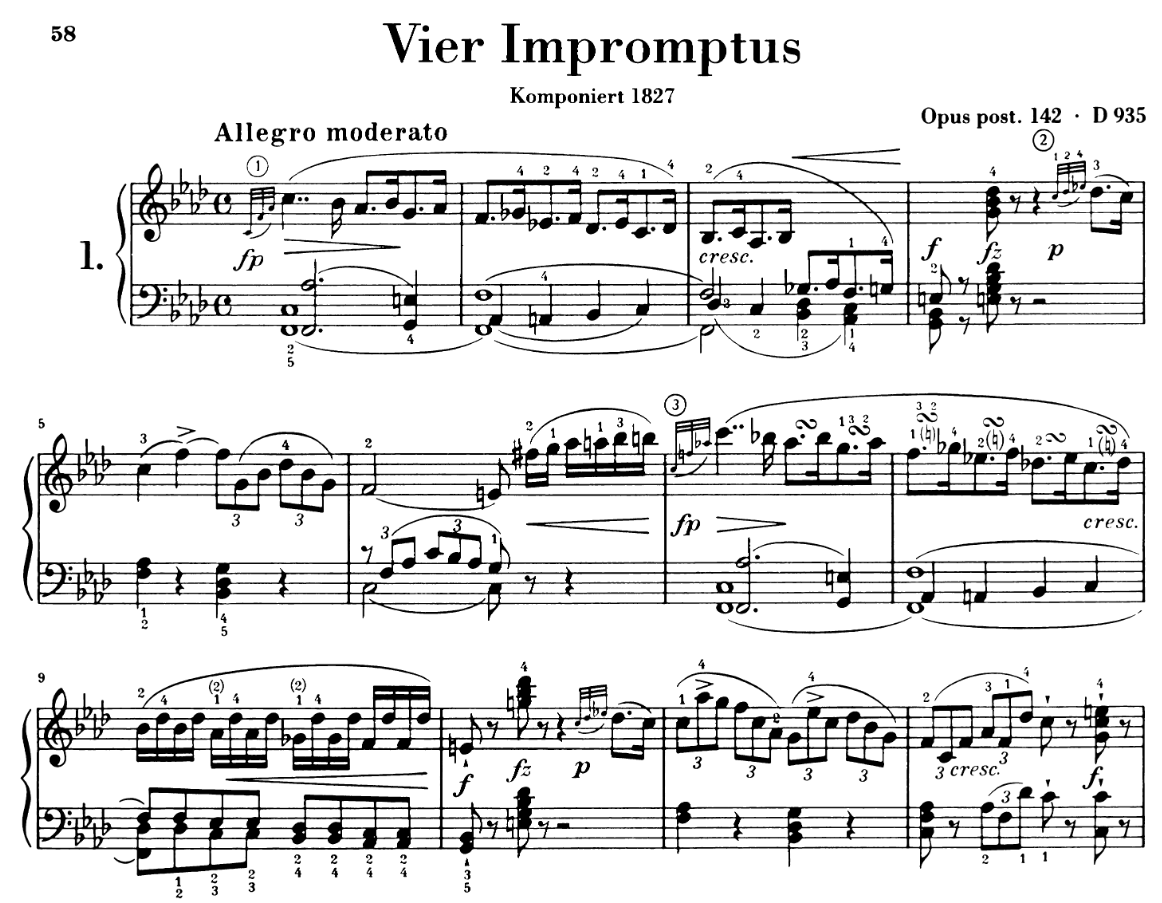
1) Schubert: Vier Impromptus, Opus post. 142 - D 935, No. 1 in f minor
Questions:
a) How to play the thirty-second triplet in bars 1, 4, and 10 (on beat or off)? For example, bar 1 - which C of the RH goes with the bass chord main beat?
b) Bars 6-7: Same question - How to time the beginning of bar 7 after the sixteenth notes? I have been trying to play the high C in RH on the beat and so it is more difficult to fit everything in and keep time? I guess this question answers itself if you play the first C in RH on beat?
c) Bars 7-8: Turns - Please help me understand how to play / count the turns?
d) Bar 8: Natural Sign - Can you comment on which notes the natural signs apply to? For example, 1st turn, is it G natural and then E natural? Then, 2nd turn, is it E natural or F and then D natural? Then, 3rd turn is it D-flat or D natural followed by B natural?
2) Schubert: Sechs Moments Musicaux, Opus 94 - D 780, No. 3 in f minor
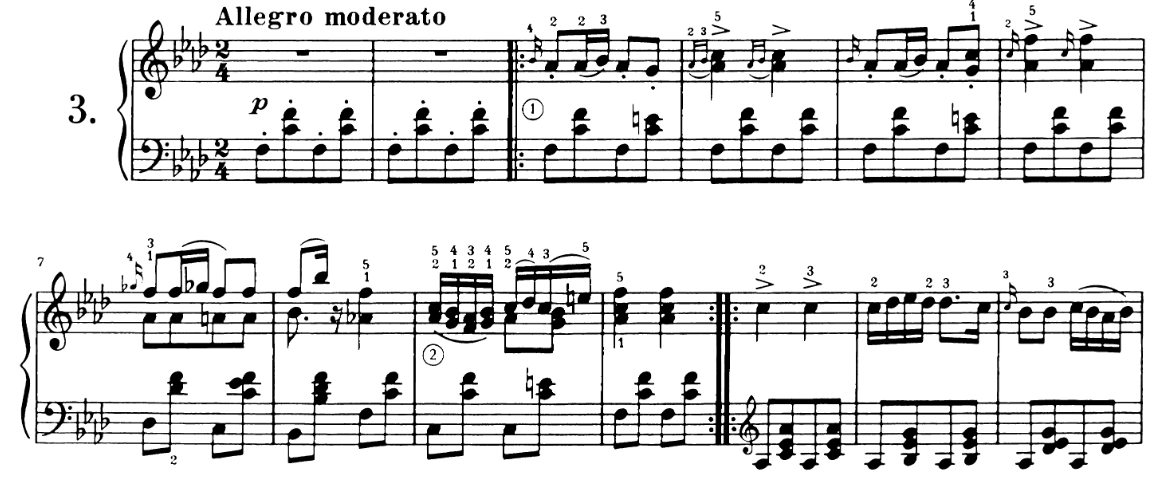
Questions:
a) Bars 3 - 7: Grace notes - Are they all played on beat or before?
b) Bars 3 - 7: Accents - Depending on answer to a) please comment on the accents. For example, if grace notes played on beat then they are the accented or emphasized note?
Thank you for your help with these questions.
Doug W
-
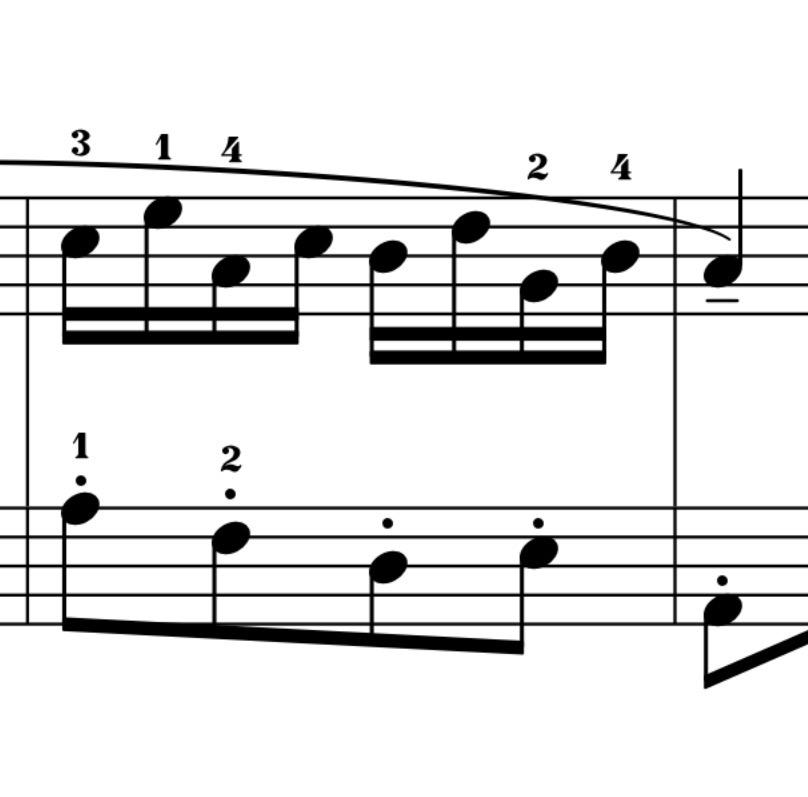
What is your preferred fingering for measure 47 in Mozart’s Rondo Alla Turca. I don’t use the fingering pictured below I have always done 35 14 35 23 1 and I don’t know why but this little figure always trips me up.
-
Hi Dominic,
Just started trying to figure out this piece.
How would you tackle the hand crossing, jumps, and fingerings?