Is this piece too hard for me? Let's figure it out with Dominic
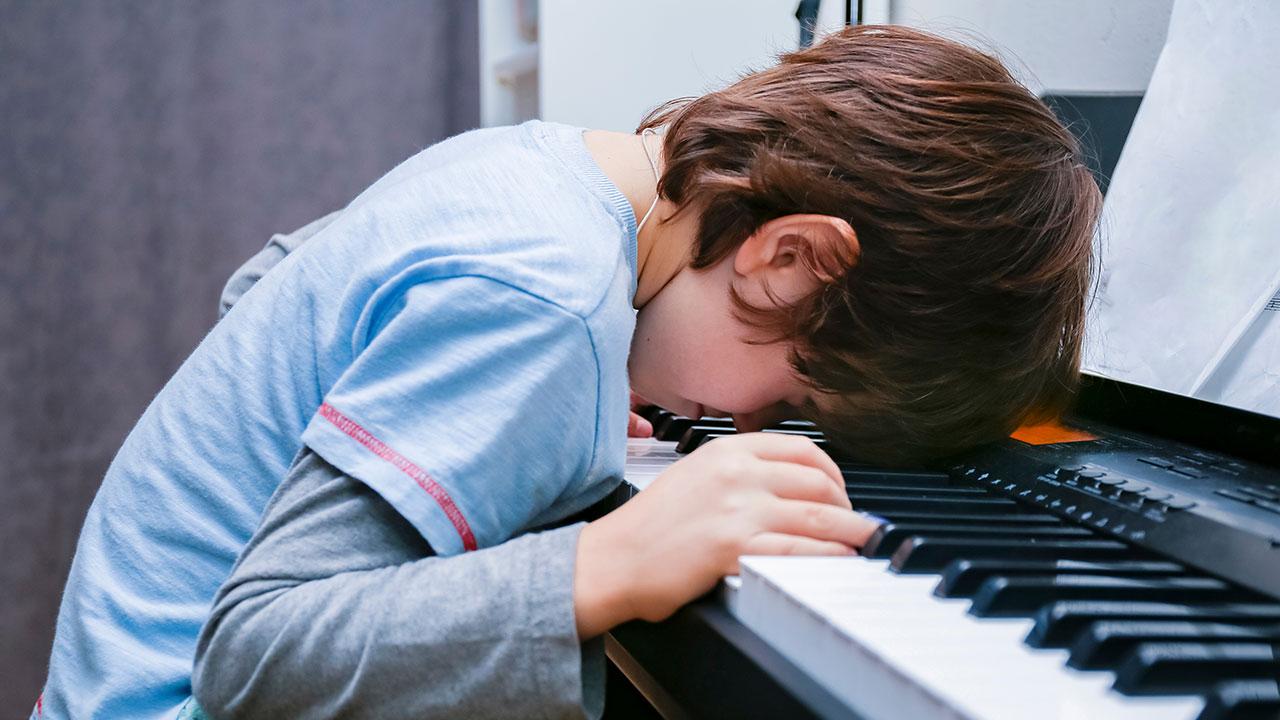
We’ve all been there.
You sit down to practice and start wondering…
Did I choose something that’s actually right for me? Or am I just fighting the piece the whole time?
This live session is about answering that question honestly.
We’ll look at what “too hard” really means — not just technically, but musically and mentally. Sometimes a piece feels difficult because it’s pushing you in the right way. Other times, it’s just not the right fit (at least not yet).
I’ll talk through how to tell the difference, what to look for in your own playing, and how to adjust without losing momentum.
You can bring questions about:
- A piece you’re currently working on
- Something that’s been feeling frustrating or unclear
- Or just your own experience of getting stuck
We’ll work through real examples and questions together.
If you’ve ever felt unsure whether to keep going or step back, this is the time to figure it out!
69 replies
-
Dominic has a great workshop addressing practice plans: https://app.tonebase.co/piano/live/player/fall-reset-practice-plan-2025
He suggests there that if you find yourself spending X hours (I forget the number, but it's in the hundreds) trying to learn a piece, it may be worth considering whether it's too difficult for you. If you have hundreds of hours to spare, no problem, go for it, but for most of us, our practice time is all too scarce, and this level of attention on a single piece may be taking too many hours away from working on other pieces that could more constructively contribute to our improvement.
I believe there is value in reaching for pieces above your (assumed) present capabilities. You may surprise yourself, and you may actually improve your technique in the process. But it can also give you an "excuse" to gloss over the difficult parts (something I'm often guilty of), e.g. "Well I know this piece is above my level, so I'm not going to worry about learning this correctly".
So at the same time I also believe that there is great value in actually trying to perfect a piece that is already within your reach technically. The effort involved in trying to play something, note-perfectly, with full expression, from memory, can give you great insights and experience with learning and developing your skills, not to mention enhanced respect for a piece that you had previously thought was "easy".
P.S. I don't believe that playing something Note-Perfectly is necessary for performance, especially in our Tonebase concerts/challenges, but there is a great benefit to be derived from aspiring to that.
-
Maybe I’m just lazy, but I think that time is the best assistant in learning new and difficult music. Quite often I have been hammering one piece alone for a very extended periods like two weeks in a row just to hit the wall and realize that I have no idea what I’m doing and where I want to go with it. Then I drop it and forget. When the piece calls again, and they occasionally do, sometimes I almost don’t believe I had such difficulties with it.
-
I'm curious if others also ask AI for feedback on repertoire "reality checks". A few months ago, I asked Gemini whether I'm ready for Chopin's 3rd Sonata (I was inspired by !) and if so, approximately how long it would take me to learn/memorize and play each movement. I gave it some background info (e.g., previously played 4 ballades and a scherzo, that it took me X practice hours to memorize/play the Heroic polonaise at X-minute tempo, that it took me X practice hours to memorize/play Mazeppa at X-minute tempo, etc).
While I have taken more hours than Gemini's estimates for the first movement, it's within the realm if I would have had more uninterrupted practice time / less travel. I think that knowing/tracking historical practice volume for previously-learned pieces offers good datapoints for new pieces, especially among similar musical styles, whether or not you end up entering it into AI... -
Regarding this topic, one thing to consider is that it probably matters more to (aspiring) pros than to amateurs. I remember when I was a conservatory student, always worrying that a piece would take too long to learn and take away precious time to learn the tons of other pieces to fulfill the requirements of the program. One of my greatest joys as an amateur now, is that I can take all the time I need to learn a piece. This allowed me to finally learn my dream pieces such as Rach Sonata no.2 and Chopin Polonaise-Fantaisie, and more importantly, to learn them thoroughly.