Mastering Tricky Passages and answering your questions!
Welcome, everyone.
If you’ve been sitting with questions about your playing, fingering, tricky passages, or musical roadblocks you haven’t quite cracked yet, this is a great moment to bring them out.
Whether it’s something small that’s been nagging you or a bigger challenge you’re ready to work through, every question is worth asking. Join us live today for real-time guidance and problem-solving!
Leave any and all questions below!
10 replies
-
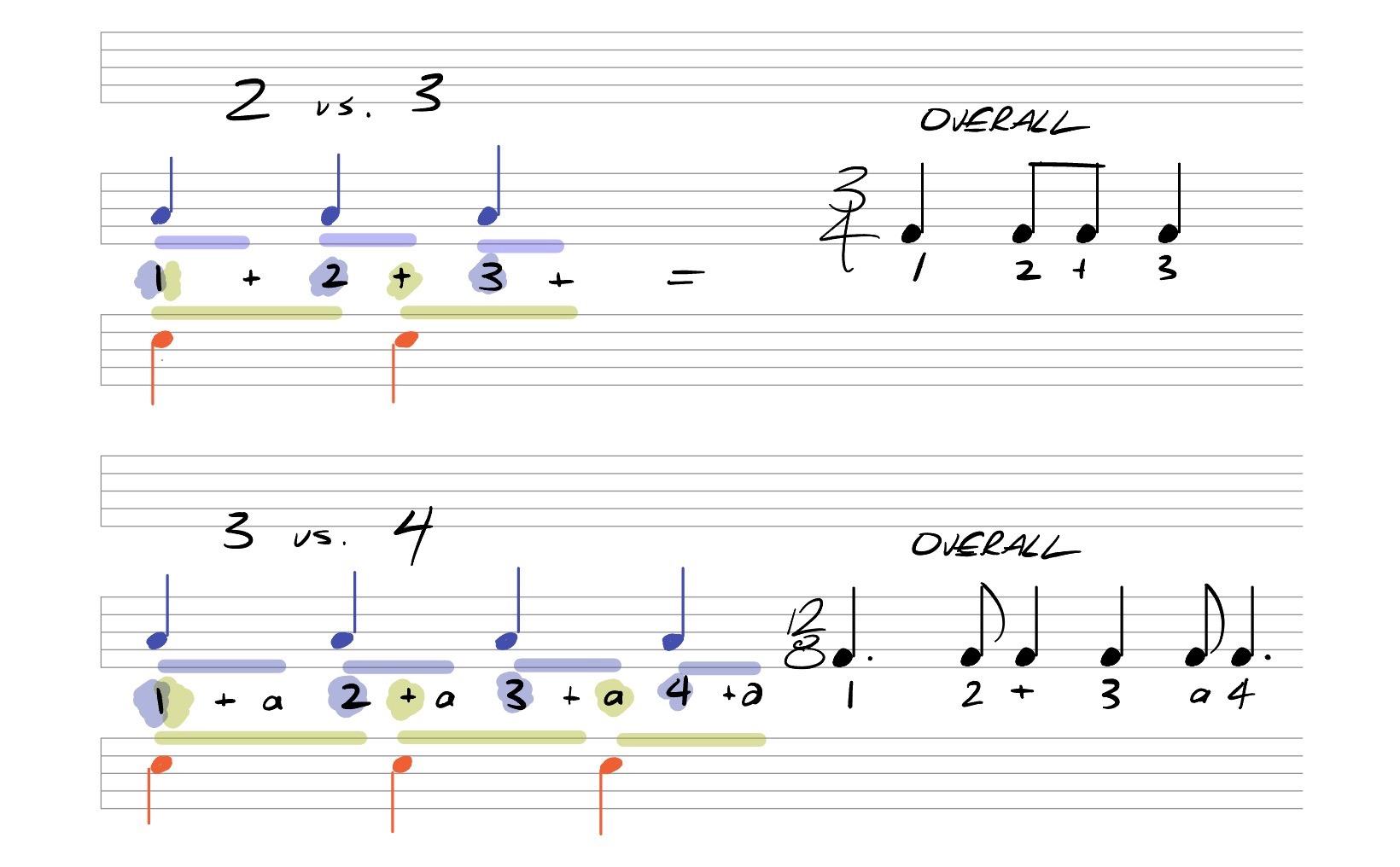
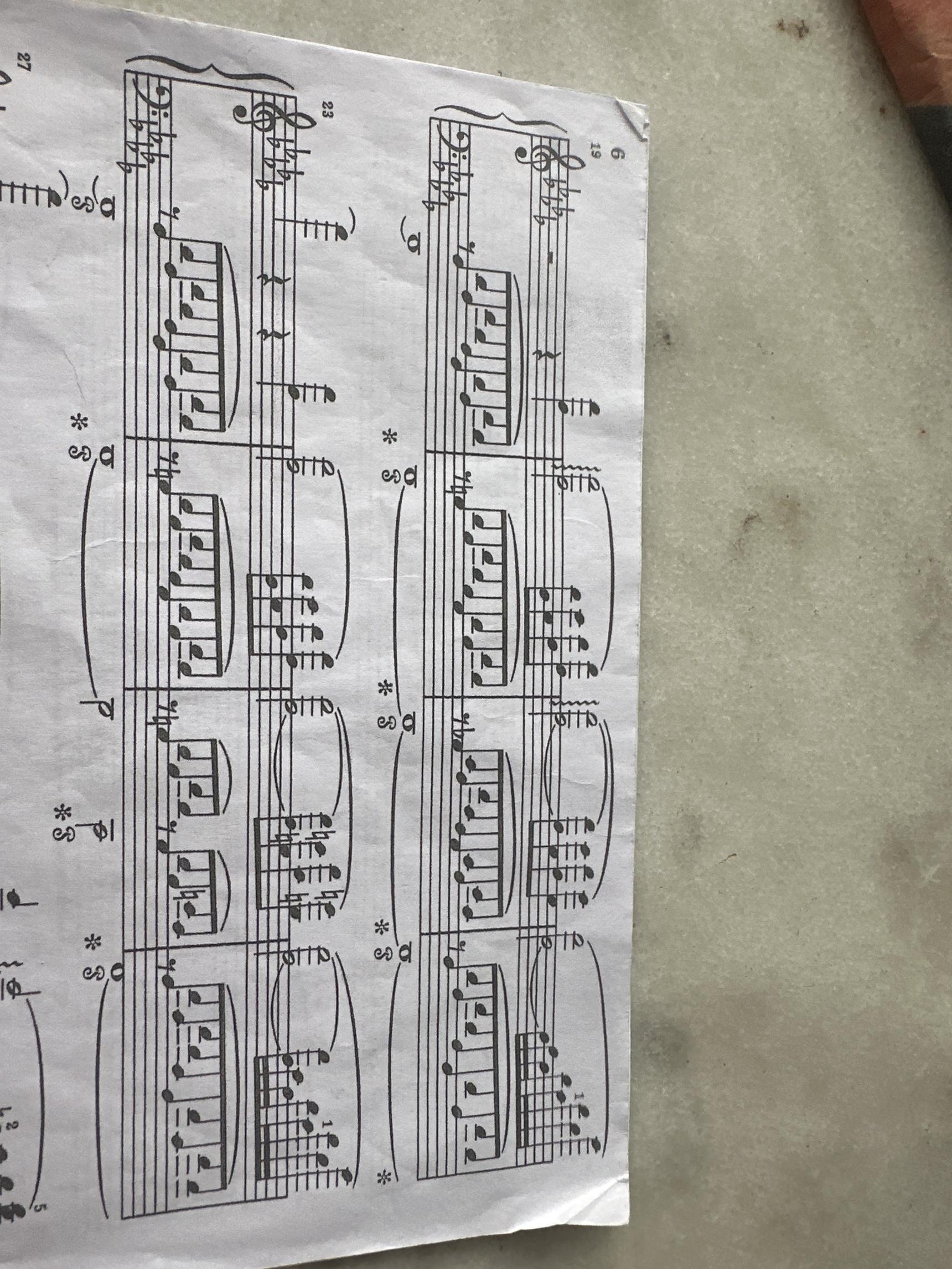
Clara Schumann 4 Fugitive Op. 15 no 1 Larghetto measures 24 to 27. The polyrhythm, I need help on, please. Any techniques to help me to get this to flow. Thank you. Bernice
-
Hi Dominic
related to Bernice I have the Same question how you effectively approach practicing polyrhythm 2 against 3 and 4 against 3 in General for any Peace.
currently i practice Brahms intermezzo 118 nr2 and Liszt consolation3
-
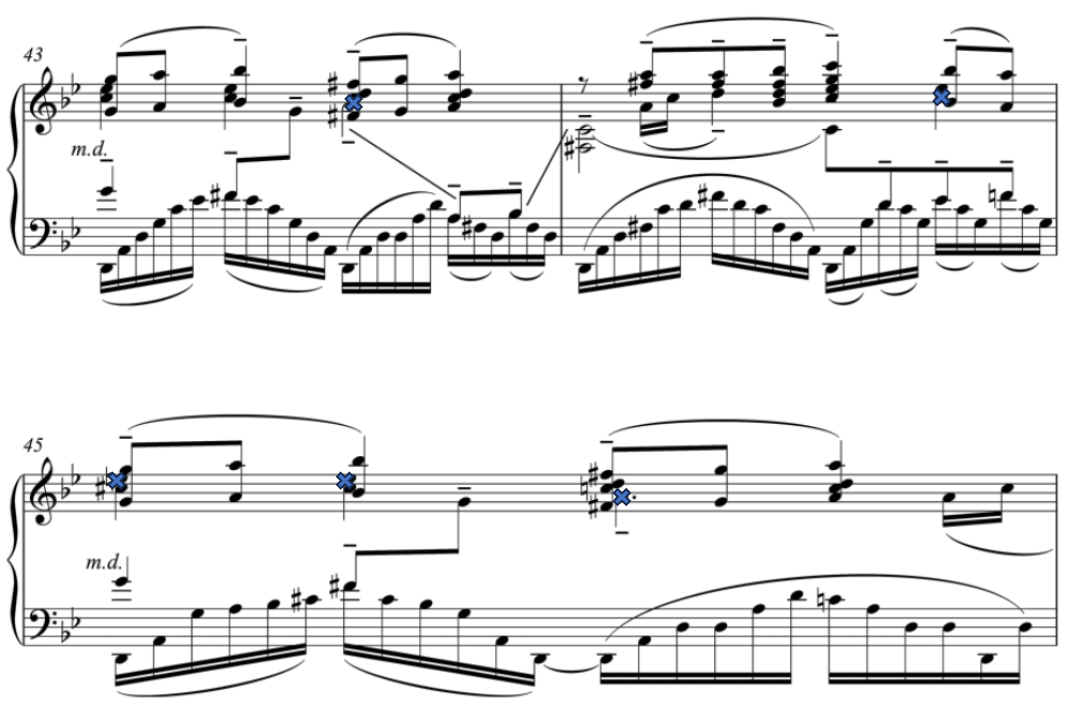
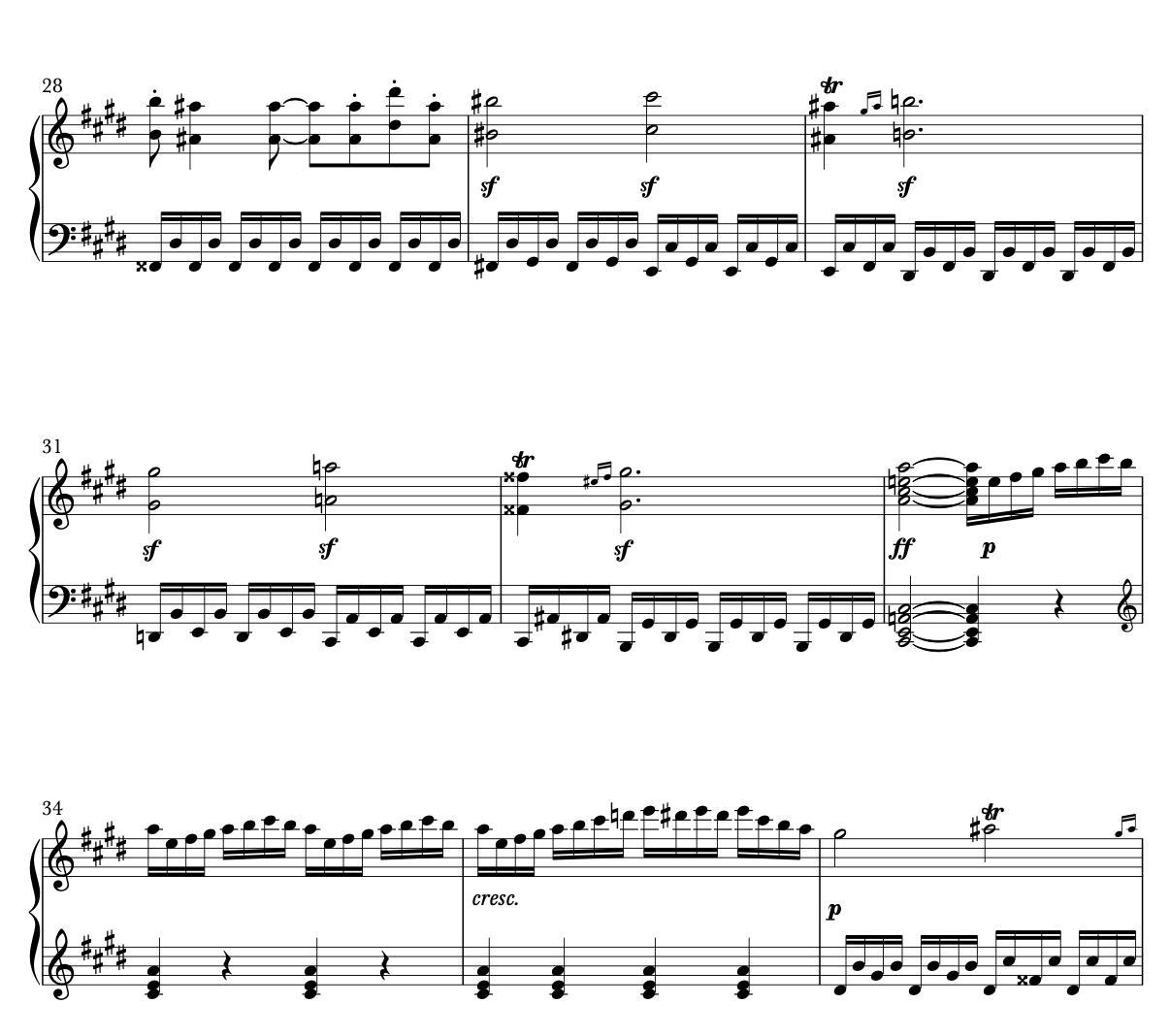
Hello Dominic, I am currently struggling with this part of the Moonlight Sonata 3rd Movement. Can you please help with the fingering pattern for the right and the left hand(and practicing strategies)?
Can you also explain how to get used to a different key(Ex: E Major to A flat major)?
Thank You! -
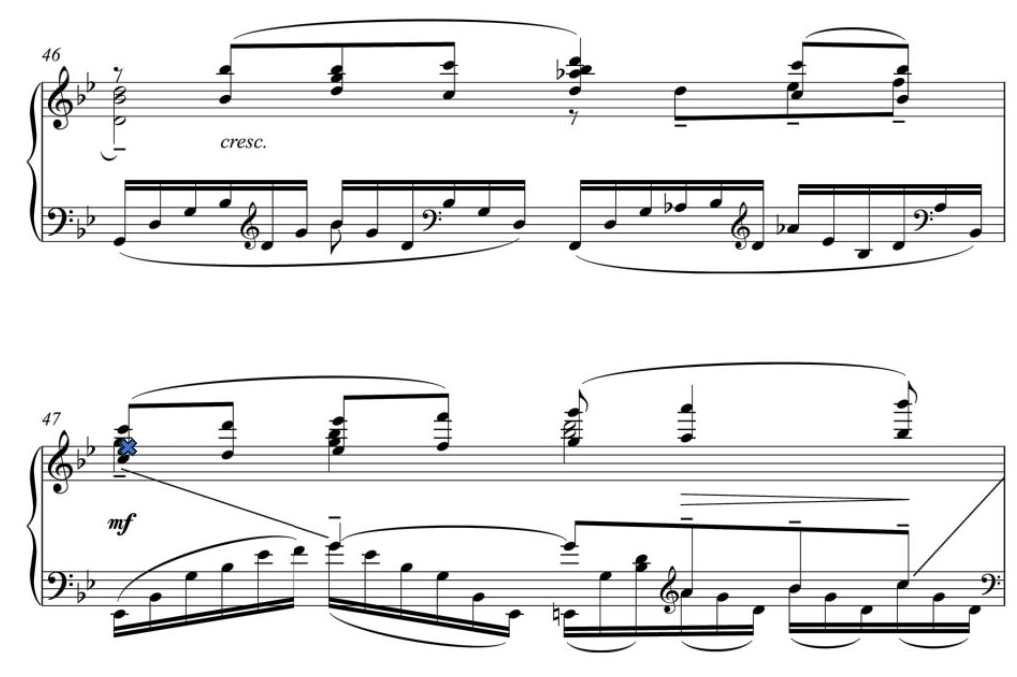
Hi Dominic, I’m working on Debussy’s Pagodes. In the coda the RH has a 5 note grouping followed by a 4 note group. Should those notes be played strictly as written, or should the 9 notes be smoothed out so that they sound like one 9-note run? The same question applies to Bar 82. Thanks!
-
Hi, Dominic, I wonder if you could help me with the last page of the Forlane from Le Tombeau de Couperin - the chords are insane and the dynamics are hard to control.
-
Hi Dominic, I've encountered some more Tricky passages in 2 Rachmaninoff Preludes. I've uploaded the pages and circled the passages in RED.
The FIRST is the series of large-stretching rolled chords in the Gb Major Prelude (Op. 23 No.. 10) mm. 49-55. I debate whether to play the first note with 2 and then my thumb on the next note which allows me to reach the top note from there. Alternatively, start with the thumb on the bottom and just leap from 4-5 or 5-5 for the last 2 notes on top.
The SECOND Passage is in the D Minor (Prelude Op. 23 No. 3): The staccato 16th note Chords in measures 55 and 56.. How does one play these quickly and lightly??
Another question is, is there a way to get opening D4 in measures 55 and 56 to sound sustained underneath the staccato chords? I've tried holding it down the with the Middle Pedal, but the LH chords hit it several times on the 2nd & 4th 16th notes, making it sound too prominently.
[FYI, I've circled in GREEN other held notes in the bass where the Middle Pedal works better].
I always learn so much from these sessions, thank you for continuing to host them!
-
Hi Dominic, it's too late I know, but I try to post you my struggles, sorry.
I'm studying Rachmaninov's Prelude No. 5, Op. 23, with Boris Giltburg's lesson on Tonebase, but I can't quite understand the articulation in the chord and octave passages. It should all be Loud, so I'm not willing to put weight on it or keep my hand and fingers light…however, the melody doesn't come out well and it's not like I can improve it.
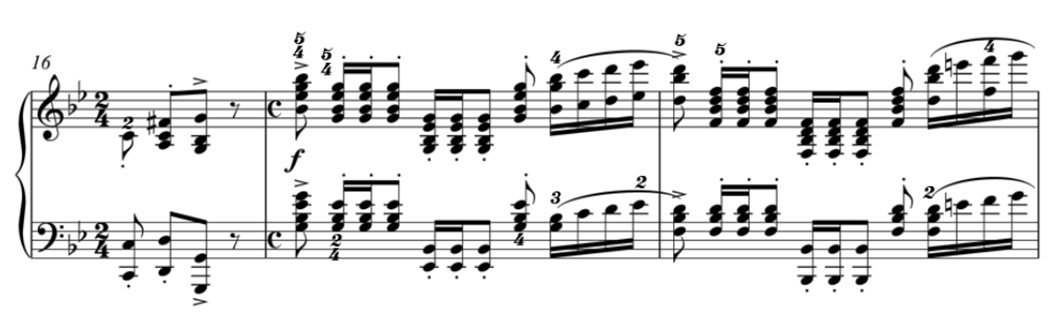
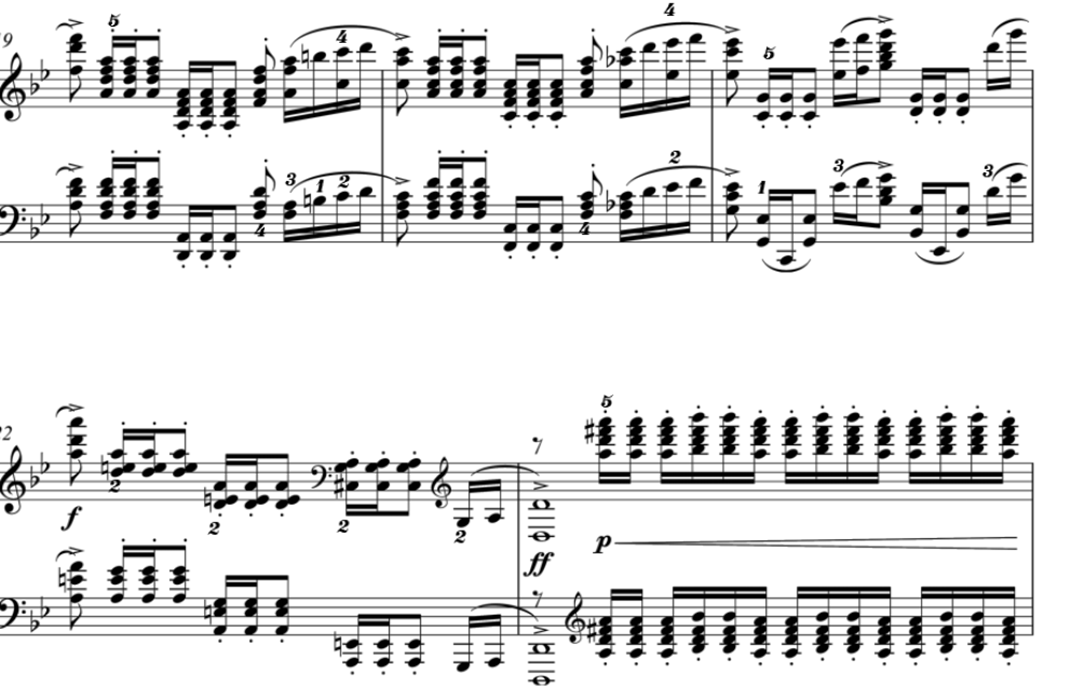
I'm sending you a short video of the passage of mine so you can listen to how it comes.
https://canva.link/72s47zuitkpzvi8
The second step is the middle section, where I'd ask for your advice regarding the fact that, having very narrow hands, I'm forced to eliminate some of the chord notes from my right hand, hoping not to lose the final effect; I also have a video of this section.
https://canva.link/4yj1ow1fmi2eysy