How the Brain Learns Music: Practice, Neuroscience, and Meaningful Change
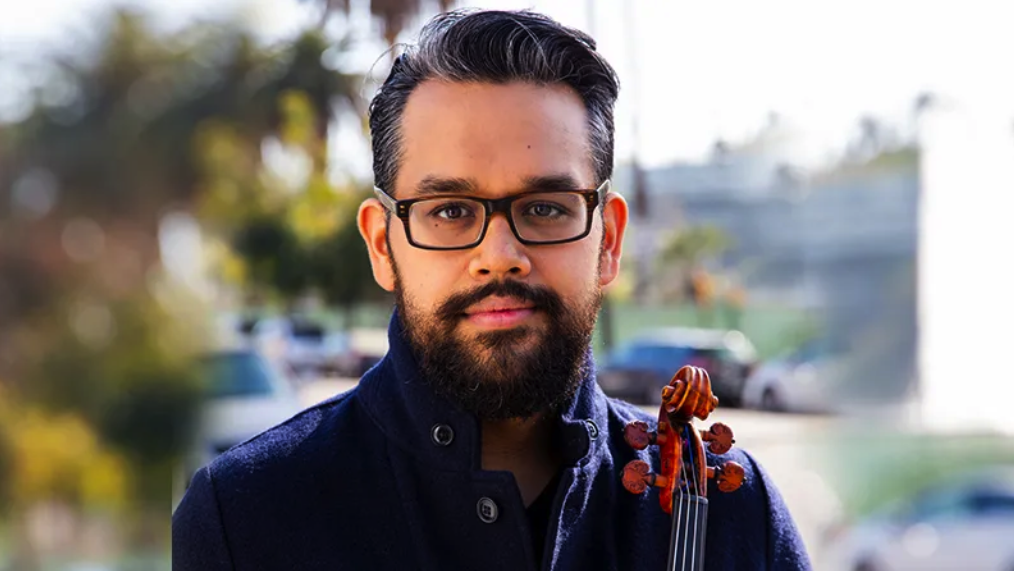
In this live session, Vijay Gupta explores the practical neuroscience behind musical practice—how the brain changes when we learn, perform, and connect through sound.
Rather than treating music as background comfort, this session frames music as an active tool for reshaping attention, memory, emotion, and even identity. Drawing on research in improvisation, melodic intonation therapy, and clinical music rehabilitation, Gupta examines how music can reduce self-monitoring, help rebuild language after stroke, and create new neural pathways through focused musical engagement.
What You’ll Explore
How the brain adapts during learning, repetition, and performance
Why music can bypass self-criticism and unlock focus
What neuroscience reveals about memory, emotion, and musical meaning
Real-world examples from clinical and community music work
Practical Strategies for Musicians
Alongside the science, Gupta will share concrete, immediately usable tools, including:
Short “practice snacks” that fit into real life
How to structure repetition for long-term retention
Ways to sustain focus, curiosity, and pleasure at the instrument
Session Format
Short guided talk
Open discussion and questions
This session is designed for musicians at every stage who want to understand not just what to practice, but how the brain actually learns—and how to practice with greater clarity, intention, and joy.
2 replies
-
Wonderful presentationa and discussion! What a delightful and fascinating person, Vijay is! Thank you!!
-
This was mind-blowing. Will definitely read his book.