Week 2: Build Your Foundation!
Welcome to Week 2 of the Beethoven Challenge. Now that everyone has chosen their piece, this week is about settling in and getting familiar with the landscape of the music. Before worrying about speed or polish, this is your chance to understand how the piece and map things out—especially the way Beethoven plays with contrast.
A few things to focus on:
1. Notice the contrasts early
Beethoven loves sharp shifts: loud to soft, smooth to edgy, light to heavy, playful to stormy. As you read through your piece, mark where these changes happen and think about how you might shape them. Getting this into your ear now will make everything easier later.
2. Sort out your score
Choose the edition you want to use and make sure it’s easy to read. Add fingerings in the places that feel awkward or ambiguous. Clear decisions now prevent headaches later.
3. Map your starting point
Pick one small section to live with this week—a phrase, a tricky transition, or a spot where the character flips. Slow work here gives you a solid base for the rest of the challenge.
4. Keep your practice short and focused
A few calm, intentional sessions go a lot further than one long grind. Aim for clarity, balance, and control!
5. Share your discoveries
Post a clip or even just a note about where you found interesting contrasts or character changes in your piece. It’s always helpful—and inspiring—to see how others are hearing their music.
27 replies
-
Hey everyone,
I'm late to posting for this week but actually keeping up with the challenge! (Pastorale sonata 1st mvt)
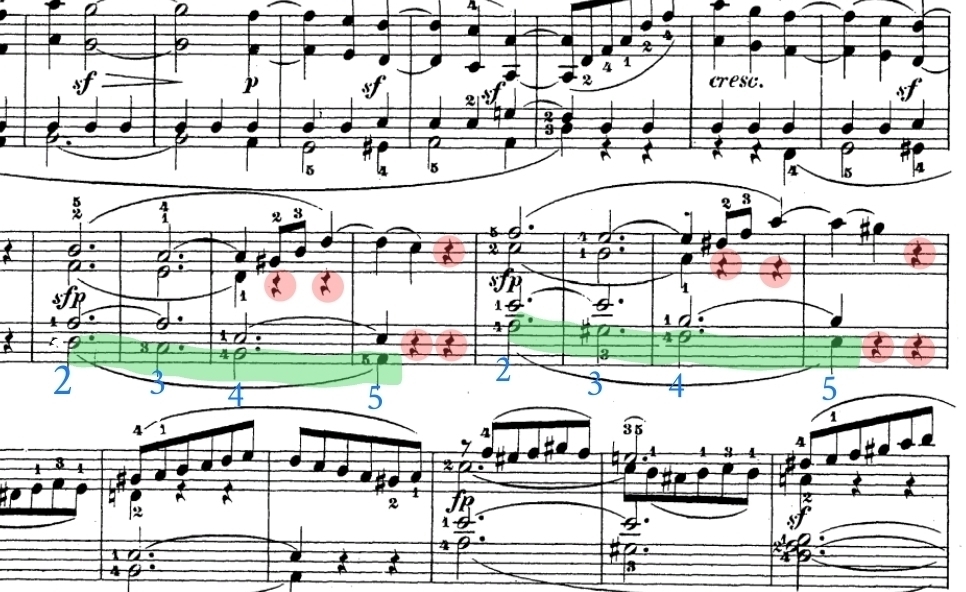
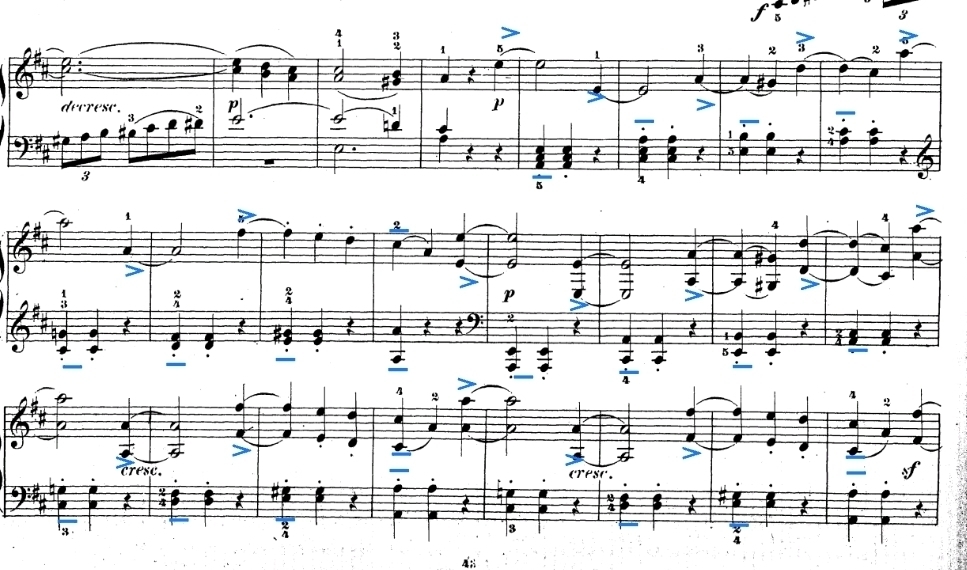
Here is a series of 3 observations. I set them up as replies to myself because each has an image.