Nocturne in F# Minor- final measures help with grace notes
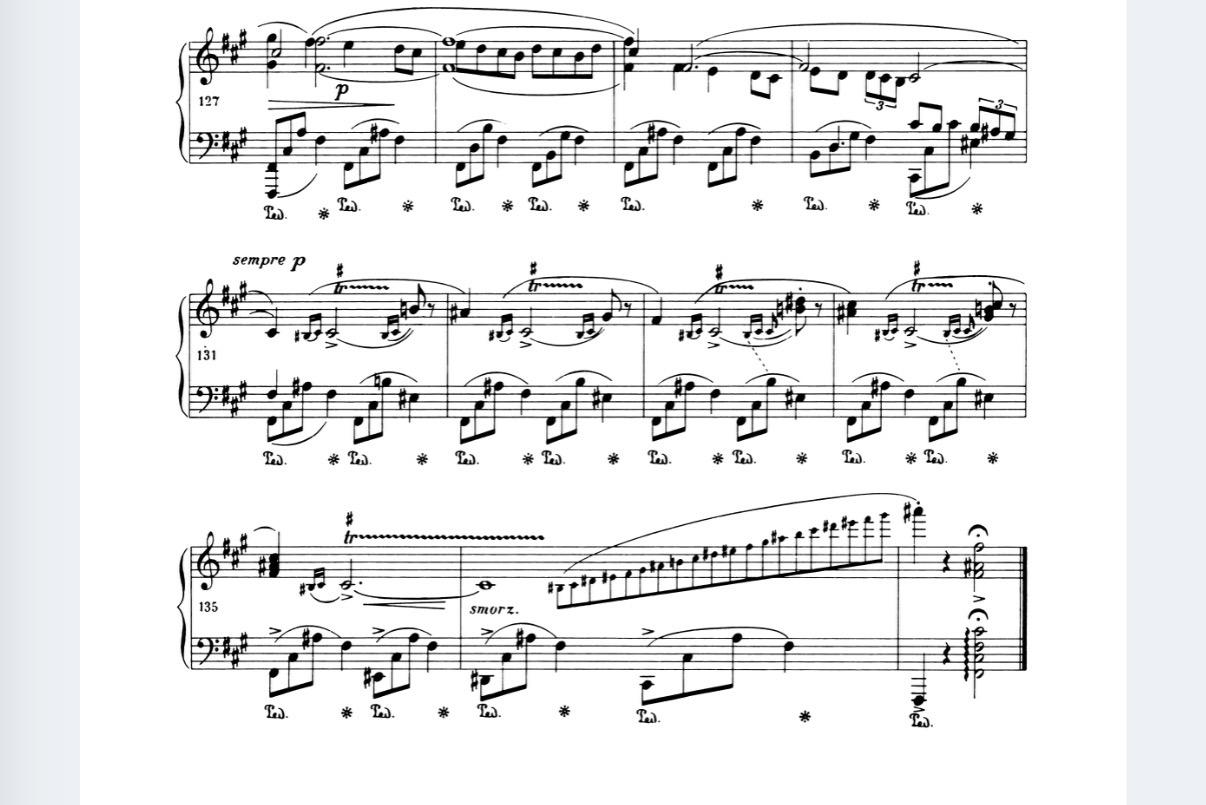
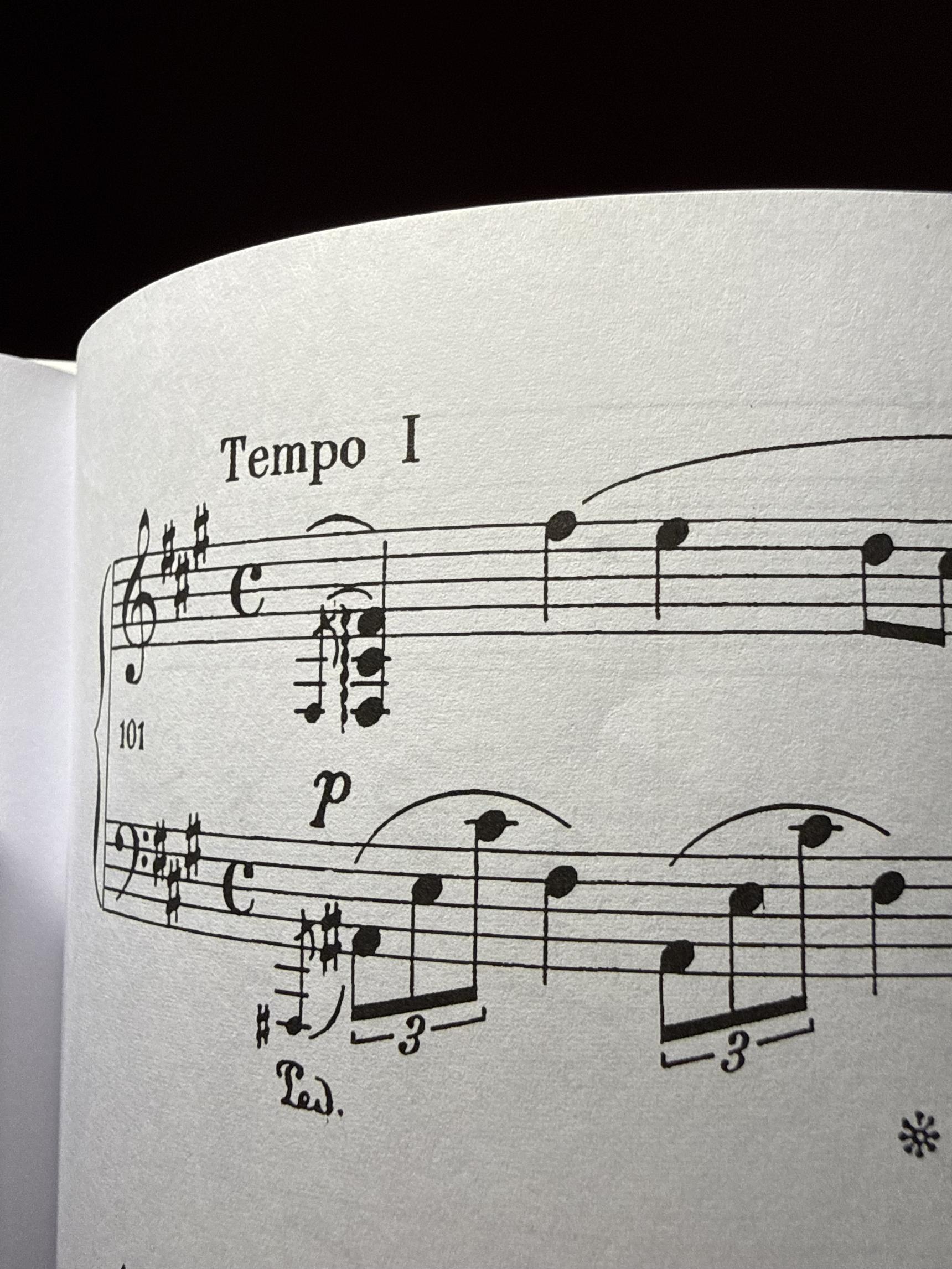
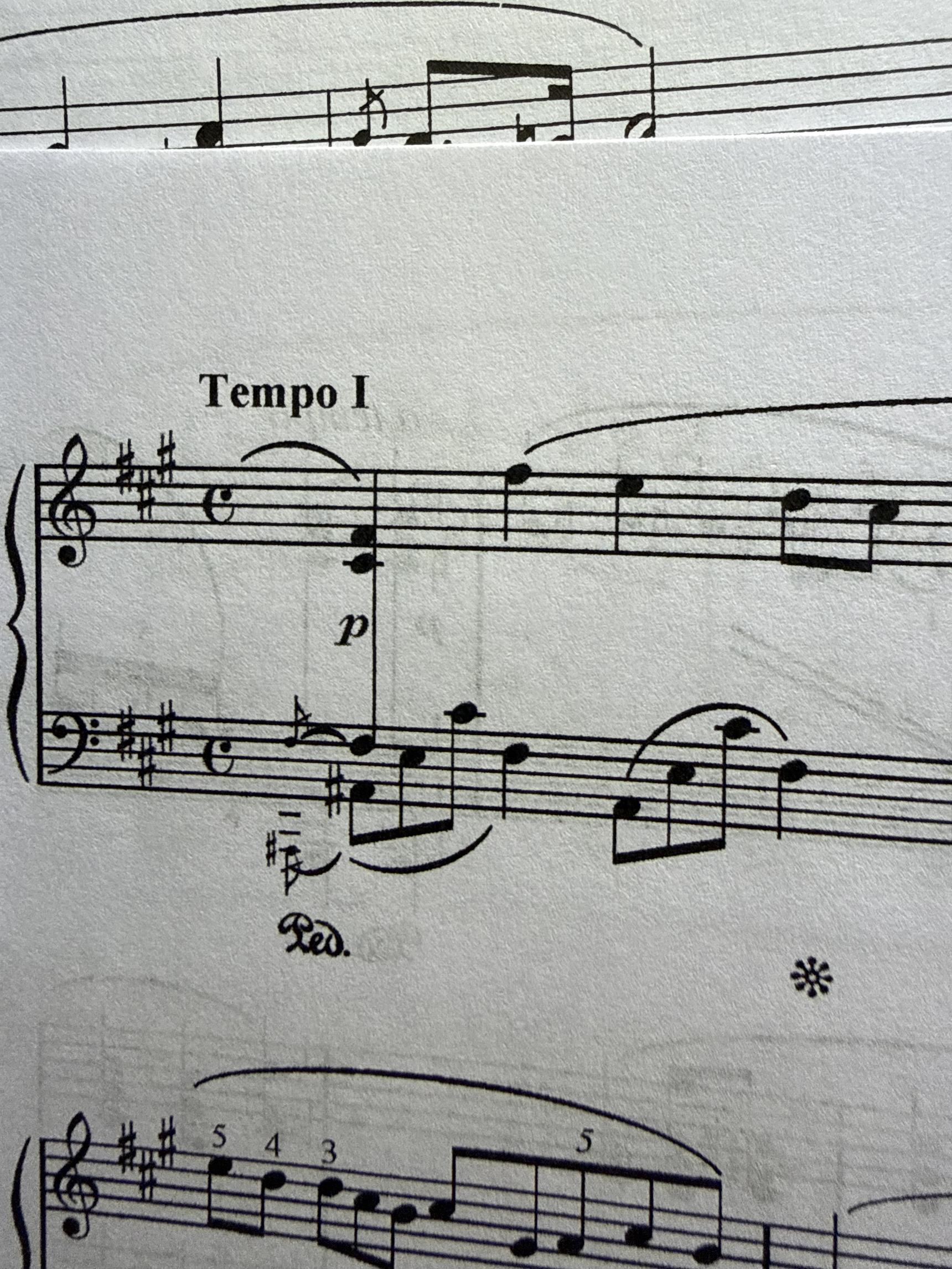
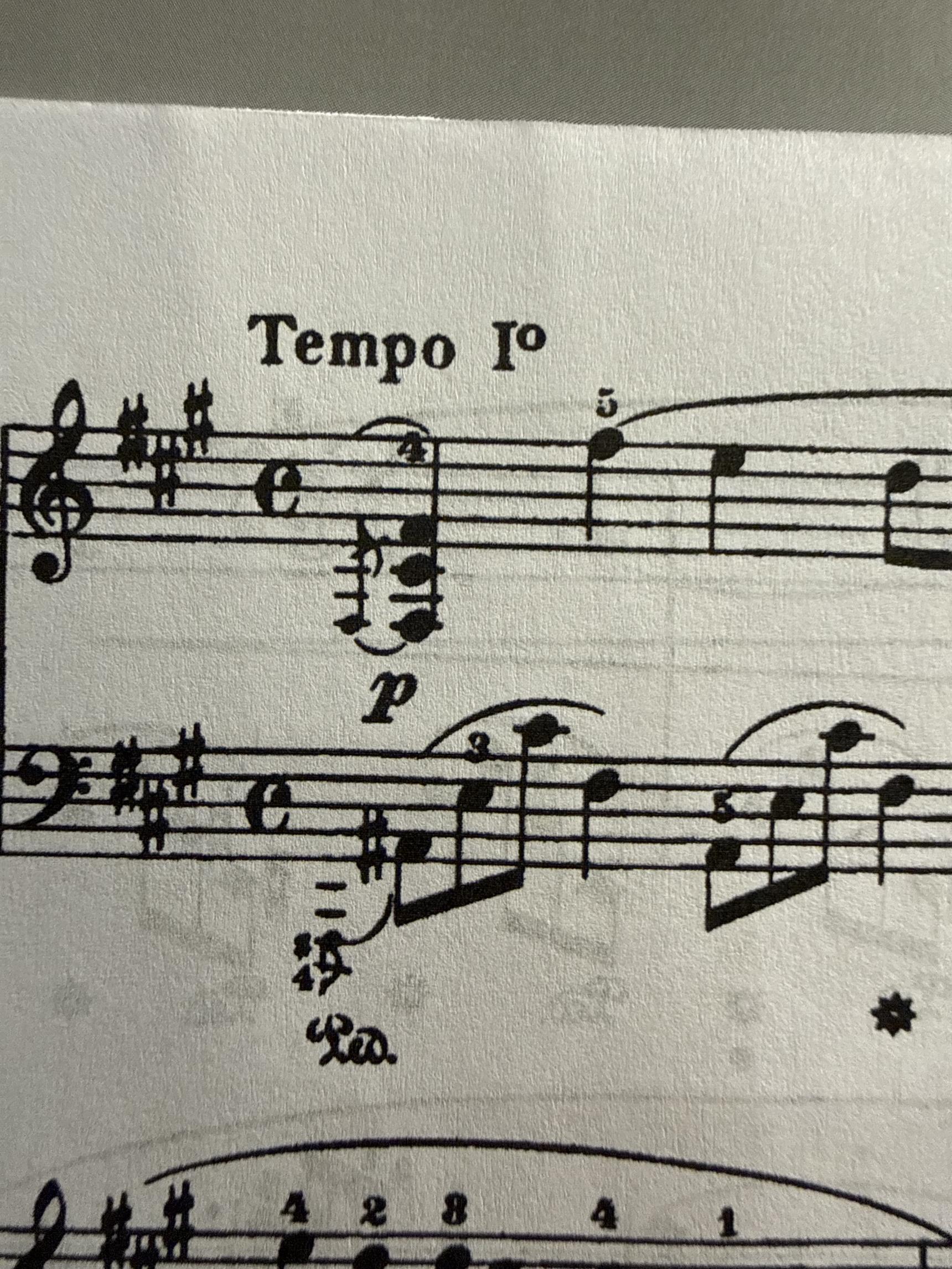
Hi all, I'm trying to remember how to interpret this notation in measure 131-134. When coming out of the trill with the grace notes- B# and C#, I noticed in the Paderewski edition that the left hand B is noted natural. If I am recalling correctly, he is just indicating that the right hand stays B#, while the left hand triplet stays natural correct? The Ekier edition does not indicate the natural.
My next issue is the timing of that B in the left hand with the duplet grace notes and the subsequent measures where it is three grace notes. I believe that the B natural in the Left hand should come a microsecond before the B#-C# correct? I am not sure about the subsequent measures where now the grace notes are B#-C#-C#. In the Ekier it seems the Left hand B natural is coming in-between the two C#'s, but Paderewski has the B natural and B# connected- which is really harsh.
I've listened to every recording out there and the timings are all over the place. Hard to tell what Rubinstein and Ohlsson are doing which are my usual goto's.
Any insights would be greatly appreciated. Thanks!
Carlos
20 replies
-
In regard to your first question, you are correct. The natural from Paderewski edition would just be a editorial courtesy accidental (since the grace note sharp is the same "B").
I think you are asking about the timing of the trill terminations for your second question? Your observation about performers all doing it differently is your answer! I personally just time the two notes against the LH B - the B# is too rapid and is already clearly part of the trill by the time it is played so its not harsh once in context and up to speed. The three grace note are actually just the two note termination and then an acciaccatura grace note C# so it is just snapped off right before beat 4. An agogic displacement of beat 4 can be nice here to avoid sounding frantic and to make the large leap more dramatic and rhetorical.
-
I believe in the Paderewski the left B and right B# are meant to be played together each time! There's even dotted lines in bars 133-134 that mean to play the "clashing" notes together. So I think what you find harsh is precisely what that score asks you to play. In fact I don't find it harsh sounding if played with the right feeling. Now I'm not sure if the Ekier means the same thing, but that's how I would play it either way.
-
I meant to add that I absolutely love this nocturne! I often suggest it to my students but they tend to go with favourites like Op. 9 No. 1 or the posthumous E minor nocturne.
-
thank you both for your suggestions!
really appreciate the explanation and the agogic pause you mention Dustin. This all makes much more sense now.
Agree! I find this Nocturne so delicate and tender. it just pulls at me internally. Hard to describe. I’ve been wanting to tackle it for a long time. I’ve been rebuilding my technique after years away but things are starting to come back. Working out the E minor nocturne first helped immensely. I’m polishing that one off and decided to start working on the F# minor- working on it from both ends lol- backwards and forwards. Ha ha!thank you all again! This really is a great platform and community. !
-
Thanks Noel! 😄
-
If I can indulge - am I on the right track. Please be critical lol. Thanks!
Carlos
-
thank you! I appreciate your encouragement 😃. I like where I was going with this but I still need to get more confident to bring it up to tempo. I see what you mean about playing the grace notes as 16ths. I did not appreciate that I was doing that. I was focusing on maintaining the left hand meter which was falling apart on me when I introduced the right hand. I feel like I have fixed that problem so will focus on the grace notes leading in. I like the way I exit them slower- I noticed ohlsson does this in his recording.
thank you again! This has been immensely helpful! 🙏🏼
-
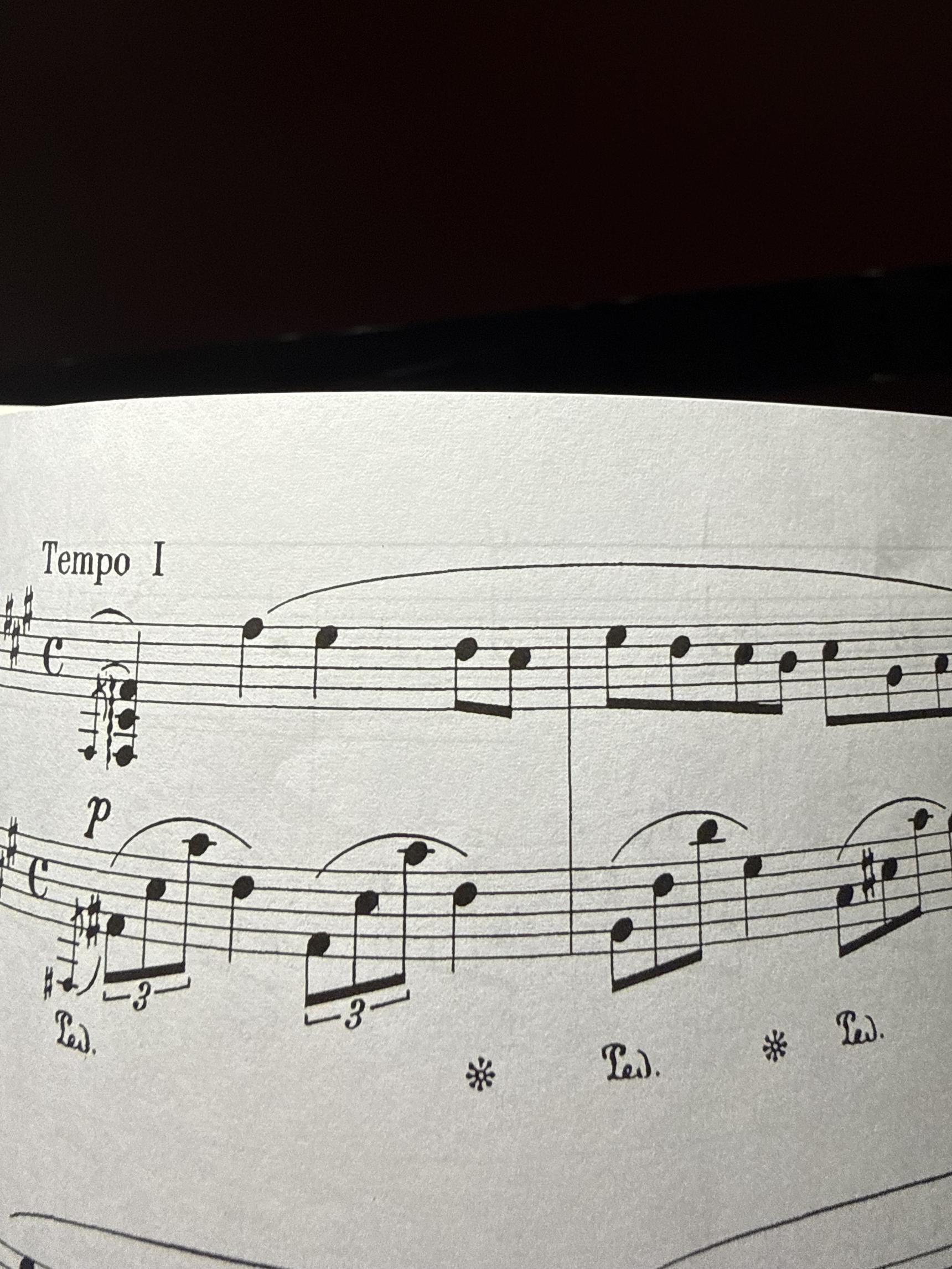
Hi all, so I ran into another one of these situations where various editions are different. Definitely not good for my OCD lol!
I’ve listened to various artists- some roll the right hand chord others do not. Some play the right hand F# twice others play the tied version.
I kind of like the rolled version but not sure how to execute this- given they are accacciatura I assume they come in quick before the beat… then play left hand A# with the rolling right hand. My question - should the roll go slow such that the E in the left hand comes right after it, or quickly so that the E comes a bit later transitioning back to the original tempo. Thanks!!
-
Hi Carlos - I also like the roll and the Ekier edition includes it (and is confident enough about to not even mention it in the commentary). This is all part of playing Chopin though. He would make alterations when copying his own music out for students. It becomes difficult for musicologists and publishers to settle on a which is the 'right' version. "Urtext" can be a bit misleading in this sense because they are still making some educated guesses. When it comes to most composers, print music is just a really good script, not an immaculate set of instructions. Printing practices, and the copying practices of the composers themselves, left a lot of room for discrepancies. Also, Chopin himself was known to frequently vary the way he played his own compositions, particularly with the ornamental passagework.
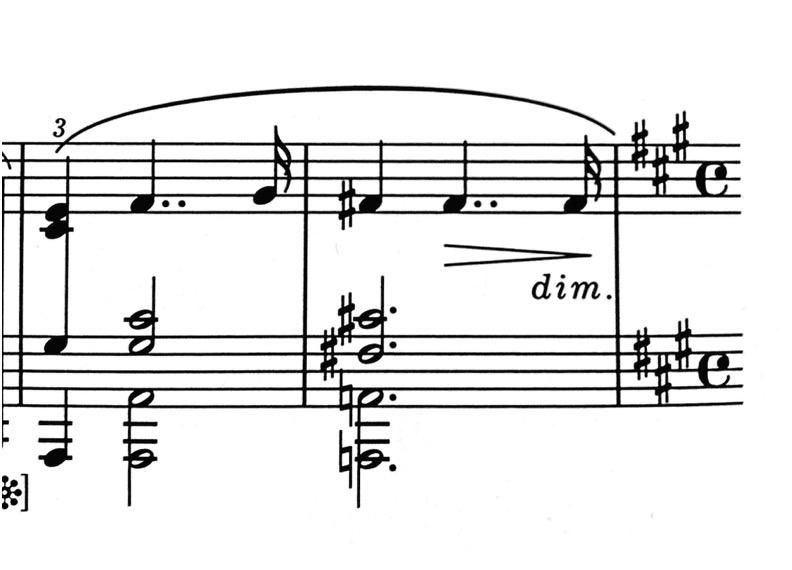
I would personally perform the roll quickly to get to the F# at the top of the RH as you are coming from a double dotted quarter and sixteenth in the previous measure. With the sixteenth note going directly into the chord, a slow roll would, to me, weaken that line's rhythmic figure (measure I'm referring to is below):
-
thanks! So going from the dotted quarter then 16th in the previous measure- you play the grace notes- bass A# and rolled chord including F# grace or just one F# as part of the roll. ?
Let me see if I can make that clearer lol- In the right hand you play the F# 16th to grace F# and hold the note as you roll the C and top F#? Or is that F# after the grace F# repeated as part of the rolled chord? I guess that’s what confuses me. It’s tied in some and not others and I’m not hearing it played twice in recordings except Ohlsson.
sorry for the long message- this has confused me. -
Awesome much clearer. Thank you! Yes that was my issue- it sounded clunky and hard to flow into the main tempo.
- your way sounds much better and easier to execute.
thank you again! And here I’m thinking these questions are me being obsessive ha ha !!😆